
Selecting a roller bearing supplier is not just a purchasing decision. It affects machine reliability, maintenance intervals, warranty exposure, and total cost of ownership. A bearing that looks correct on a quote can fail early if the load rating, internal clearance, lubrication, or material traceability does not match the application. The right questions help you separate a supplier that simply stocks catalog items from one that understands bearing engineering and supply chain risk. This guide covers the technical, quality, commercial, and support questions to ask roller bearing suppliers before you issue a purchase order. Use it as a due diligence checklist, whether you are comparing new vendors or reviewing an existing supplier such as CHG Bearing.
Start With Your Application, Not the Catalog
Suppliers can only give useful answers when you describe the application clearly. Before you ask for a quote, gather load data, speed, temperature, mounting arrangement, and environmental conditions. Then ask the supplier to confirm the bearing selection rather than simply matching a part number. A good roller bearing supplier will ask you questions in return, because bearing life depends on the whole system, not only the bearing.
Questions About Load, Speed, and Environment
- What are the actual radial and axial loads, including peak loads during startup, braking, or abnormal operation?
- What is the continuous and maximum operating speed, and will the bearing run near its limiting speed?
- What is the operating temperature range, including heat soak after shutdown?
- Will the bearing face dust, water, chemicals, steam, vibration, shock, or shaft deflection?
- What is the expected duty cycle and required service life in hours or revolutions?
- Is the housing rotating, the shaft rotating, or both?
- What lubrication method is available: grease, oil bath, circulating oil, or oil mist?
Questions About Fit, Clearance, and Lubrication
- Which bearing type and series do you recommend for this load and speed combination?
- What tolerance class and internal clearance are required for the shaft and housing fits?
- Will the recommended clearance change with temperature differentials between shaft and housing?
- What lubricant grade, base oil viscosity, and fill quantity do you specify?
- Which seal or shield design protects the bearing without causing excessive drag or heat?
- What installation method do you recommend, and what mounting errors should we avoid?
- Can you provide a mounting drawing or fitting tolerance chart for our engineers to review?
Quality, Material, and Traceability Questions
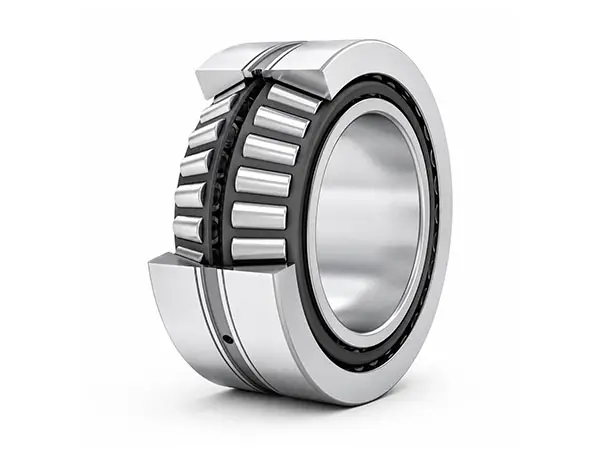
Roller bearings are safety and reliability components. Two suppliers can quote the same designation, yet deliver very different performance if steel quality, heat treatment, dimensional control, or lubrication differ. Ask for evidence, not assurances. A professional supplier will have documented processes and will not hesitate to share inspection reports, material certificates, and corrective action procedures.
Manufacturing and Inspection
- Are the bearings manufactured in your own plant, or are they sourced from subcontractors?
- Which international standards govern dimensions, tolerance, and inspection?
- Can you provide dimensional inspection reports, runout data, and clearance measurements?
- How is heat treatment controlled, and what hardness range is specified for raceways and rolling elements?
- What noise, vibration, or life testing is performed before shipment?
- How do you handle non-conforming bearings, and what is your corrective action process?
Material and Documentation
- What steel grade is used, and where is it sourced?
- Can you provide material certificates and heat lot traceability for the bearings supplied?
- How are bearings protected against rust during storage and transport?
- What is the shelf life of the lubricant, and what storage conditions do you recommend?
- What measures prevent counterfeit or mixed-origin bearings from entering your supply chain?
- What warranty applies to material and workmanship, and what exclusions exist?
Commercial and Supply Chain Questions
Technical fit is only half of supplier selection. Delivery reliability, commercial terms, and after-sales support determine whether the relationship works over multiple orders. Ask these questions before you commit to a first order, especially if the bearings are critical to production uptime.
Lead Time, MOQ, and Inventory
- What is the standard lead time for this bearing size, and what lead time applies to urgent orders?
- What is the minimum order quantity, and can you combine sizes to meet MOQ?
- Do you hold stock for this item, or is it made to order?
- How do you pack bearings to prevent contamination, moisture, and impact during shipping?
- Can you provide a committed ship date in writing, not just an estimated lead time?
Pricing and Terms
- How long is the quoted price valid, and what currency and Incoterms apply?
- What payment terms do you offer, and are letters of credit or other secured terms available?
- Are volume discounts, annual contracts, or forecast-based pricing available?
- What are the costs for shipping, insurance, customs documentation, and special packaging?
- What is your return or replacement policy for incorrectly supplied or defective bearings?
Technical Support and After-Sales Service
- Who is our technical contact, and what is their bearing application experience?
- Can you review our shaft and housing drawings before we order?
- Do you offer installation guidance, torque specifications, or alignment recommendations?
- If a bearing fails early, what failure analysis do you provide?
- How quickly can you supply replacement bearings if production stops?
- Can you support future demand growth or changes in bearing specifications?
How to Compare Supplier Answers
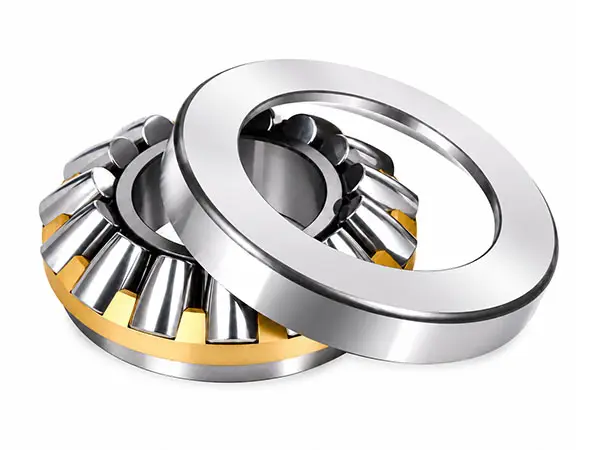
After you collect responses, compare them against a consistent scorecard. Do not choose only on price. The lowest quote can become the most expensive option if it causes downtime, premature failure, or extra inspection costs. Look for suppliers that answer technical questions directly, provide documents, and explain trade-offs. A supplier such as CHG Bearing should be able to support this level of scrutiny because clear communication reduces risk for both sides.
Build a Simple Supplier Scorecard
- Technical fit: Does the recommended bearing match load, speed, clearance, and lubrication requirements?
- Quality evidence: Are inspection reports, material certificates, and traceability available?
- Delivery reliability: Are lead times realistic and backed by written commitments?
- Commercial clarity: Are MOQ, pricing, Incoterms, and warranty terms transparent?
- Support capability: Can the supplier assist with installation, failure analysis, and future demand?
Red Flags to Watch
- Vague answers about steel origin, heat treatment, or internal clearance.
- No traceability or inspection documentation for critical bearings.
- Prices that are far below the market without a clear technical reason.
- No named technical contact or refusal to review drawings.
- Pressure to order before specifications and lead times are confirmed.
Final Questions Before You Place an Order
Once you have narrowed the field, confirm the details that protect your project. These final questions turn a general quote into a clear supply agreement.
- Can you confirm the exact bearing designation, clearance, tolerance, lubrication, and seal arrangement in writing?
- Can you provide the latest inspection certificate and material traceability documents before shipment?
- What is the committed ship date, and how will you notify us if it changes?
- Who is responsible for freight, insurance, and customs clearance, and what documents will be provided?
- What is the process if a bearing does not meet the agreed specification or fails within warranty?
- Can you support repeat orders with the same specification and documentation?
Choosing a roller bearing supplier is an engineering and procurement decision. The questions above help you evaluate technical competence, quality control, commercial terms, and long-term support. Whether you are reviewing CHG Bearing or another supplier, ask for specifics, compare answers side by side, and keep documentation for every critical bearing. That discipline protects your machines, your maintenance budget, and your production schedule.