A cross reference request usually arrives with a deadline attached: a line is down, a spare is out of stock, or an OEM quote came back at three times the budgeted price. The buyer is holding a bearing with a number stamped on the ring, or a number printed in a maintenance manual, and needs to know which other manufacturers' bearings will drop into the same housing and carry the same load. This guide explains how roller bearing cross reference works at the data level, which dimensions and suffixes decide whether a substitution is safe, and what to send a supplier so the answer comes back correct the first time.
What a Cross Reference Can and Cannot Tell You
A cross reference is a mapping exercise. It takes one manufacturer's designation and points to another manufacturer's designation that shares the same boundary dimensions and bearing type. For the majority of standard radial bearings, that mapping is reliable because the dimensions themselves are standardized under ISO 15 for metric bearings and under ABMA inch-series standards for imperial sizes. A 25 mm bore ball bearing has a 25 mm bore regardless of whose logo is on the seal.
What a cross reference cannot tell you is whether two bearings are functionally identical. Cage material, internal clearance, precision class, sealing arrangement, heat treatment, and lubrication groove details are all outside the boundary-dimension standard. Two bearings can share a bore, outer diameter, and width and still behave very differently in a vibrating screen or a high-speed spindle. Treat every interchange table, including the ones published by major manufacturers, as a starting point for verification rather than a finished answer.
The Data You Need Before You Start
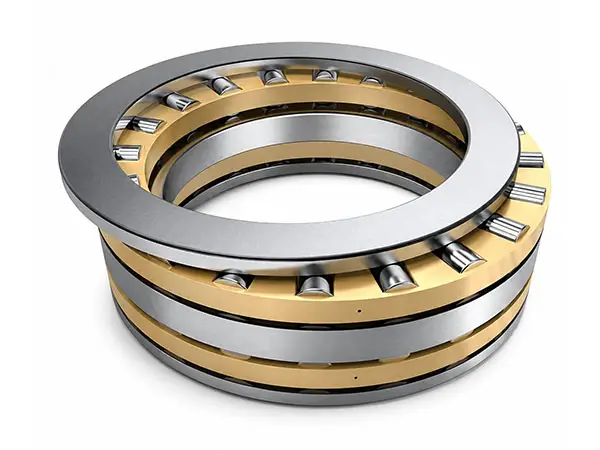
Most failed cross reference attempts fail at the input stage. A partial part number produces a partial answer. Before contacting anyone, collect the following:
- The complete designation, including every prefix and suffix, copied exactly as printed on the bearing or in the manual.
- Bore diameter, outer diameter, and width, measured with a caliper if the markings are worn.
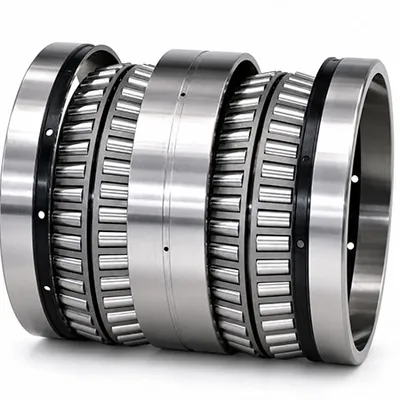
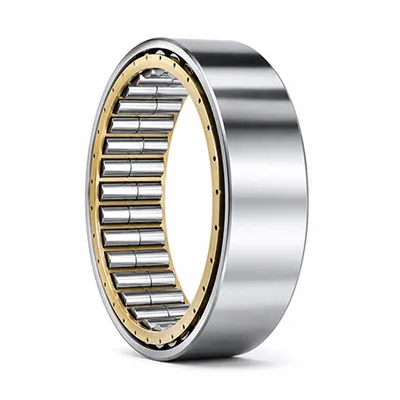
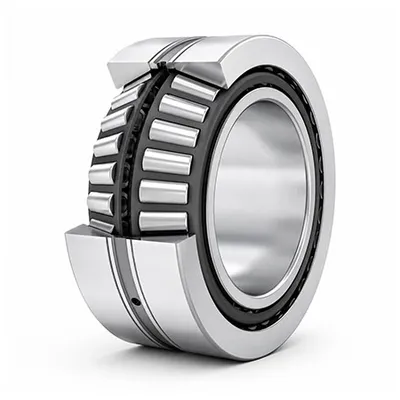
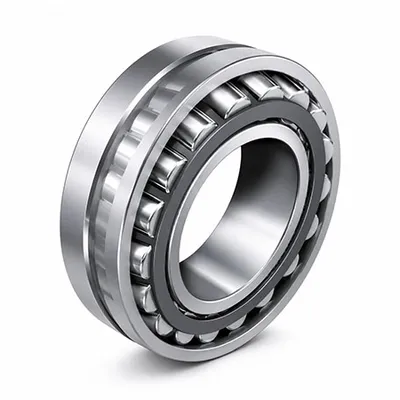
- Bearing type: cylindrical roller, spherical roller, tapered roller, needle roller, or ball.
- Operating conditions: rotational speed, radial and axial load, temperature range, and lubrication method.
- Shaft and housing fit, and whether the outer ring is located by a shoulder, a snap ring, or a housing cover.
Read the whole designation, not the first four digits
The basic number identifies the size series and bore. Everything after it modifies the bearing. A 22216 and a 22216 E are the same envelope but may differ in internal design and load rating. A 22312 EK has a tapered bore; a 22312 E does not. If you drop the suffix when searching, you will get results that physically fit and then fail early.
Dimension-Based Matching: The Reliable Core of Any Interchange
When markings are unreadable, dimensions become the primary key. This is the most dependable part of any bearing cross reference chart, because standard boundary dimensions are published and verifiable.
Metric designationBore (mm)Outer diameter (mm)Width (mm) 6204204714 6205255215 6305256217 6206306216
Note the trap in that table. The 6205 and 6305 share a 25 mm bore and are not interchangeable; the outer diameter and width differ. Bore alone is never a sufficient match. You need all three dimensions plus the type.
Metric and inch series do not cross cleanly
Inch-series tapered roller bearings are matched as a cone and cup pair, and the pair is the unit of interchange. A cone designated LM11949 fits only the cups it was designed against, such as the LM11910. Cross referencing the cone alone and pairing it with a lookalike cup from another brand is a common and expensive error, because the effective width and contact angle depend on the specific cone-cup match. Always cross reference and order the complete assembly, or verify the manufacturer's published pairing data.
Suffixes: Where Most Cross Reference Mistakes Happen
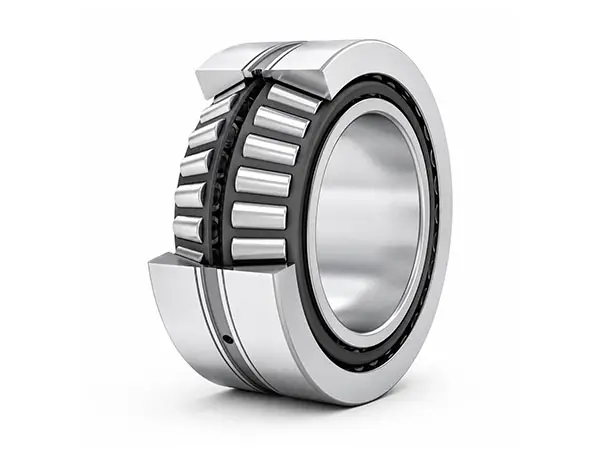
Once dimensions and type match, the suffix determines whether the substitute will survive. The same base number with different suffixes is a different bearing.
- Seals and shields: 2RS, 2RSH, 2RS1, DDU, and similar codes indicate contact seals; ZZ, 2Z, and Z indicate metal shields. Seals retain grease and exclude contamination but add friction and reduce limiting speed. Shields run cooler and faster but offer less protection.
- Internal clearance: C2 is tighter than normal, C3 and C4 are progressively looser. Clearance is selected for the fit and thermal conditions of the application. Substituting a C3 for a CN bearing in a press-fit, hot-running application will cause premature failure.
- Cage: TN9, TVP, J, M, and Y codes describe pressed steel, polyamide, or machined brass cages. Cage choice affects speed limits and temperature capability.
- Locating features: NR and N indicate a snap ring groove; W33 indicates a lubrication groove and three holes in the outer ring of a spherical roller bearing.
- Tolerance class: P6, P5, and P4 are precision grades used in machine tool and high-speed applications. A standard-grade substitute is not an equivalent.
Verification Steps Before You Commit to a Substitute
- Confirm bore, outer diameter, and width match the original within the manufacturer's stated tolerance.
- Confirm the bearing type and internal design are equivalent, not merely similar.
- Compare dynamic and static load ratings against the actual applied load, not the original rating.
- Check limiting speed against the operating speed of the equipment.
- Match clearance class, cage material, and sealing arrangement to the original specification.
- Verify the source. Counterfeit bearings carry genuine-looking markings and fail without warning.
Sending a Clean Request to a Supplier
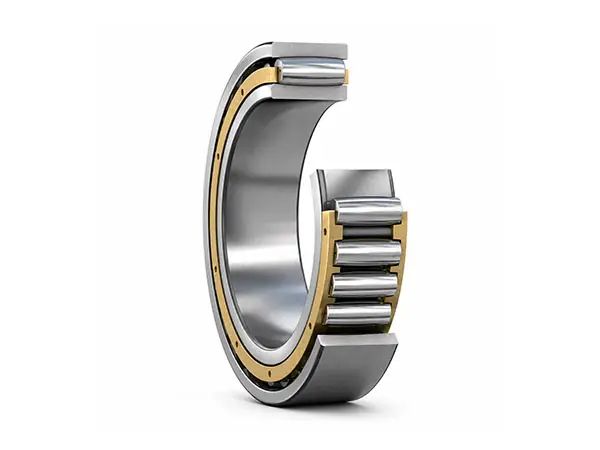
A supplier can only cross reference what you describe accurately. The fastest route to a correct quote is a single message containing the full designation, the measured dimensions, a photo of the marking, the application, and the quantity required. Include whether you need an exact functional equivalent or an acceptable alternative, since the second option often opens up lower-cost or faster-available stock.
CHG Bearing handles cross reference requests for cylindrical, spherical, tapered, and needle roller bearings as well as ball bearings, and can match against common international numbering systems when the original designation, dimensions, and application details are provided together.
Frequently Asked Questions
Can I replace a 6205-2RS with a 6205-2RS1?
In most cases the two designations describe the same envelope and seal type, and manufacturers treat them as equivalent. Confirm bore, outer diameter, width, clearance class, and load rating against the original before installing.
Is a cross reference number guaranteed to fit?
No. A cross reference confirms dimensional and type compatibility, not functional equivalence. Clearance, cage, precision, and sealing must be verified separately for the specific application.
What if the bearing has no visible markings?
Measure bore, outer diameter, and width with a caliper, identify the bearing type from the rolling element and ring geometry, then cross reference by dimensions. A supplier can usually narrow the options quickly from those three measurements.
Why do different cross reference charts give different answers?
Charts are built on different criteria. Some match on boundary dimensions only, others on load rating or application category. When two charts disagree, trust the one that lists the specific suffixes and clearance class rather than a generic base number.
A cross reference is a tool for narrowing options, not a substitute for specification review. Get the dimensions right, read every suffix, confirm load and speed ratings, and buy from a source that can document what it ships. That sequence turns a risky substitution into a routine replacement and keeps the equipment running on schedule.