Roller bearing prices can vary sharply between suppliers, even for bearings that appear to have the same dimensions and load rating. For procurement teams and maintenance engineers, the challenge is not simply finding the lowest quote. It is understanding why one bearing costs more than another and whether that difference is justified. Price is shaped by raw material grade, manufacturing precision, heat treatment, quality control, order volume, brand positioning, lead time, and logistics. A cheap bearing can become expensive if it fails early, causes downtime, or damages adjacent components. This buyer guide breaks down the main cost drivers, compares value against price, and offers a practical framework for evaluating quotes. CHG Bearing works with buyers who need dependable roller bearings, so the focus here is on total cost, not just unit price.
Raw Material and Design Factors That Set the Base Price
The first layer of roller bearing pricing is physical. A bearing is not a commodity block of steel. Its material, geometry, and internal design determine how much it costs to produce and how long it will last in service.
Steel Grade and Heat Treatment
Most quality roller bearings use through-hardened or case-hardened bearing steel. Common grades include AISI 52100 and similar alloys. Higher-purity steel with fewer inclusions costs more because it improves fatigue life, toughness, and dimensional stability. Heat treatment is another major cost center. Controlled atmosphere furnaces, quenching, tempering, and cryogenic treatment add process time but reduce the risk of premature failure. A supplier that cuts corners on steel grade or heat treatment may offer a lower price, but the bearing may not survive shock loads, high speeds, or contaminated environments.
Bearing Type, Size, and Load Rating
Roller bearings include cylindrical, spherical, tapered, and needle designs. Each type has different manufacturing complexity. A large spherical roller bearing with multiple rows, a machined brass cage, and a high load rating requires more material and more machining than a small needle roller bearing. Larger rings need more steel, more heat treatment capacity, and more grinding time. Complex internal geometry also increases tooling and inspection costs. When buyers compare quotes, they should confirm that the quoted bearing matches the required type, dimensions, dynamic load rating, and static load rating. A lower-cost substitute with a thinner ring or fewer rollers may not deliver the same service life.
Precision Class and Internal Clearance
ISO tolerance classes range from Normal to P6, P5, P4, and P2. Higher precision classes require tighter dimensional control, better grinding equipment, cleaner assembly rooms, and more frequent measurement. Internal clearance is equally important. A bearing with the wrong clearance can run hot, generate noise, or fail under preload. Manufacturers that stock many clearance ranges and precision classes carry more inventory and production planning costs. Those costs appear in the price, but they also give buyers a bearing that fits the application instead of forcing a compromise.
Seals, Cages, and Lubrication
Seals and shields protect the bearing from dust, water, and loss of lubricant. A simple stamped steel shield costs less than a heavy-duty contact seal. Cages can be stamped steel, machined brass, polyamide, or specialty alloys. Brass cages resist high temperatures and shock, while polyamide cages suit high-speed, lower-temperature duties. Lubrication also affects price. Standard grease is inexpensive, but high-temperature grease, food-grade lubricant, or oil injection systems add cost. For many buyers, the right seal and lubricant package prevents failures that cost far more than the initial price difference.
Manufacturing Process and Quality Control Costs
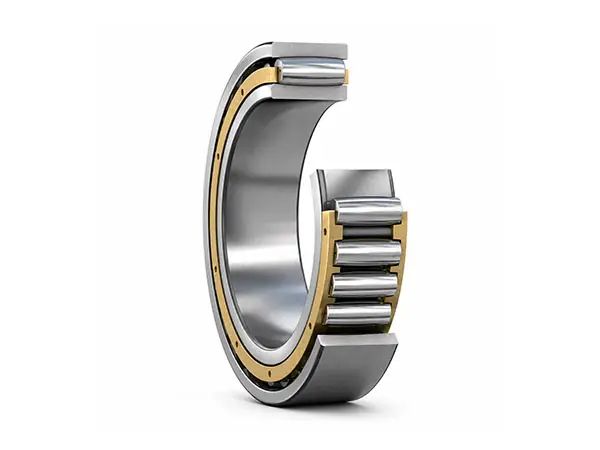
Two bearings can look identical from the outside and still have very different production histories. The manufacturing process and quality system are major reasons why roller bearing prices vary.
Machining, Grinding, and Superfinishing
Roller bearing production involves forging or turning, heat treatment, grinding, honing, and assembly. Grinding is one of the most expensive steps because it determines raceway geometry, surface finish, and contact angle. Superfinishing further reduces surface roughness and improves lubricant film formation. Advanced manufacturers invest in CNC grinding centers, automatic gauging, and temperature-controlled production areas. These investments raise the unit cost, but they also reduce vibration, noise, and early wear. A low-cost bearing may have visible machining marks, inconsistent raceway curvature, or poor roller-to-raceway contact, all of which shorten life.
Inspection, Traceability, and Certifications
Quality control is not a single final check. It includes incoming steel verification, hardness testing, dimensional inspection, roundness and waviness measurement, vibration testing, and assembly checks. Traceability systems link finished bearings to heat numbers, production lots, and test records. Certifications such as ISO 9001 and IATF 16949 require documented procedures, audits, and corrective action systems. These systems add overhead, but they give buyers confidence in batch consistency. For critical equipment, the ability to trace a bearing back to its steel source can be worth more than a small unit price saving.
Brand, Reputation, and Warranty
Premium brands charge more because they have built reputations for reliability, engineering support, and warranty coverage. That premium is not only marketing. It often reflects decades of application data, failure analysis, and continuous improvement. Smaller or generic suppliers may offer comparable bearings at lower prices, but buyers must verify their quality systems and consistency. A warranty is only valuable if the supplier can honor it quickly and help diagnose the root cause of a failure. CHG Bearing supports buyers by aligning product selection, documentation, and after-sales service with the actual operating conditions.
Market Conditions and Supply Chain Variables
Even a well-made bearing has a price that moves with the market. Procurement teams should understand these variables before locking a budget or comparing quotes from different regions.
Order Volume and Inventory
Unit price usually falls as order quantity rises, but the relationship is not unlimited. Large orders let suppliers buy steel in bulk, schedule longer production runs, and spread setup costs. Small or urgent orders carry higher per-unit costs because of machine changeovers, special packaging, and expedited handling. Inventory also matters. A supplier that stocks popular sizes can ship immediately, but carrying costs are built into the price. A make-to-order supplier may quote less for standard production but require a longer lead time.
Lead Time, Shipping, and Tariffs
Freight, insurance, customs duties, and tariffs can change the landed cost of roller bearings. Air freight reduces lead time but costs far more than sea or rail. Import duties vary by country and product classification. Currency exchange rates also affect imported bearings. A quote in a foreign currency may look attractive today and become expensive after exchange rate movements or tariff changes. Buyers should compare landed cost, not just the ex-works price, and confirm who handles customs clearance, freight damage, and delivery scheduling.
Raw Material and Energy Cycles
Bearing steel prices respond to scrap, alloying elements, energy, and global demand. When steel mills raise prices, bearing manufacturers eventually pass those increases downstream. Energy costs also affect heat treatment, grinding, and logistics. Suppliers with long-term steel contracts and efficient production may absorb some volatility, while spot buyers face sharper price swings. A transparent supplier will explain which portion of a price increase comes from material, energy, or freight rather than applying a blanket surcharge.
Supplier Location and After-Sales Support
Domestic suppliers may offer shorter lead times, easier communication, and faster warranty response. Overseas suppliers may offer lower labor and production costs, but buyers must manage language, quality verification, shipping, and technical support. The lowest-priced region is not always the lowest total cost. After-sales support matters when a bearing fails unexpectedly. Technical help with mounting, lubrication, clearance, and failure analysis can prevent repeat problems. CHG Bearing helps buyers balance price, lead time, and technical support so that sourcing decisions hold up in real operations.
Price vs Value: How to Compare Roller Bearing Quotes
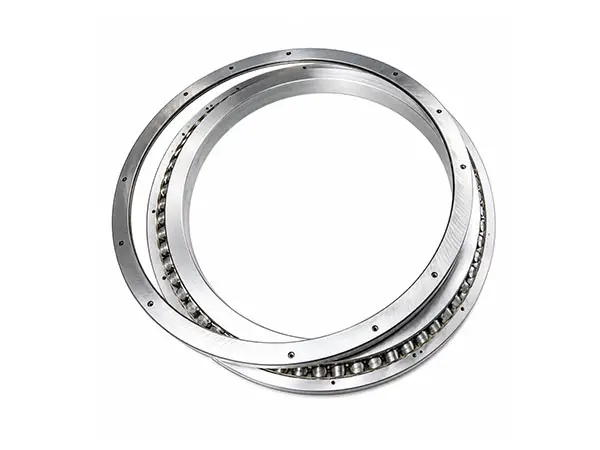
A roller bearing quote is only meaningful when it is tied to a specification and a total cost model. The lowest number on a spreadsheet may hide compromises that appear later as downtime, rework, or premature replacement.
What a Low Quote May Hide
- Lower-grade steel or inconsistent heat treatment
- Wider tolerances and less controlled internal clearance
- Simpler seals, cages, or lubricants that do not match the application
- Limited inspection, missing material certificates, or no batch traceability
- Longer or uncertain lead times that require expensive expediting
- Weak warranty support and limited technical assistance
What a Higher Quote May Include
- Verified steel grade with documented heat numbers
- Tighter precision classes and application-specific clearance
- Durable seals, cages, and lubricants for the operating environment
- Dimensional, vibration, and metallurgical inspection records
- Stable inventory, reliable lead times, and responsive service
- Engineering support for mounting, lubrication, and failure analysis
Total Cost of Ownership Checklist
When comparing roller bearing prices, calculate the cost over the expected service life. Include:
- Purchase price per bearing and minimum order quantity
- Freight, duties, taxes, and currency conversion
- Installation labor and specialized tools
- Lubrication, seals, and maintenance intervals
- Energy consumption from friction and heat generation
- Inventory carrying cost and obsolescence risk
- Downtime cost if the bearing fails without warning
- Warranty recovery and replacement lead time
- Disposal or recycling cost for used bearings
This total cost view often changes the decision. A bearing that costs slightly more but lasts twice as long can reduce annual spend, improve machine availability, and lower maintenance workload.
A Practical Buyer Checklist for Roller Bearing Procurement
Use a structured process to avoid overpaying for unnecessary features or underpaying for critical reliability.
- Define the operating conditions: load, speed, temperature, contamination, vibration, and duty cycle.
- Confirm the required bearing type, dimensions, load rating, and precision class.
- Specify internal clearance, cage type, seal or shield, and lubrication.
- Request material certificates, inspection reports, and traceability details.
- Compare landed cost, lead time, and minimum order quantity across suppliers.
- Review the supplier quality system and past performance in similar applications.
- Ask for mounting and lubrication guidance before installation.
- Calculate total cost of ownership, not just unit price.
- Test a sample batch in the actual application when the risk is high.
- Document the approved specification so future purchases remain consistent.
CHG Bearing can help buyers work through these steps, from bearing selection to documentation and after-sales support. The goal is not to find the cheapest bearing. It is to find the bearing that delivers the lowest reliable cost per hour of operation.
Frequently Asked Questions
Why do roller bearing prices differ so much between suppliers?
Prices differ because of steel grade, heat treatment, precision class, internal clearance, cage and seal design, lubrication, inspection level, order volume, brand, lead time, and logistics. Two bearings with the same dimensions can have very different performance and service life.
Does a higher price always mean better quality?
No. A higher price can reflect better materials and quality control, but it can also reflect brand premium, small order quantity, expedited freight, or inefficient distribution. Buyers should compare specifications, documentation, and total cost rather than assuming price equals quality.
How does order quantity affect roller bearing prices?
Larger orders usually reduce unit price because suppliers can buy steel in bulk and spread setup costs over more pieces. However, very large orders tie up capital and may create inventory risk. The best quantity depends on consumption rate, lead time, storage conditions, and cash flow.
Are imported roller bearings always cheaper?
Not always. Imported bearings may have lower labor costs, but freight, tariffs, currency exchange, quality verification, and longer lead times can erase the advantage. The landed cost and after-sales support often matter more than the country of origin.
How can I reduce roller bearing costs without sacrificing reliability?
Standardize approved specifications, consolidate suppliers, order realistic quantities, improve mounting and lubrication practices, and monitor failure causes. A small investment in correct installation and maintenance often reduces bearing spend more than aggressive price negotiation.
Conclusion
Roller bearing prices are influenced by far more than a catalog number. Material grade, heat treatment, precision, seals, cages, lubrication, inspection, order volume, lead time, freight, tariffs, and supplier support all shape the final quote. Buyers who focus only on unit price may save upfront but pay later through downtime, repeated replacement, and unplanned maintenance. A better approach is to compare bearings on specification, traceability, and total cost of ownership. Work with a supplier that can explain the price drivers and support the application. CHG Bearing helps buyers evaluate roller bearing options with clear documentation and practical service, so the final choice balances budget, reliability, and long-term performance.