Counterfeit roller bearings rarely announce themselves. They arrive in clean boxes, carry familiar logos, and often fit the shaft without obvious resistance. The problem appears later: rising vibration, overheating, seized rollers, or a catastrophic failure that damages the shaft, housing, or production schedule. For maintenance teams, purchasing agents, and machine operators, the ability to spot a fake bearing quickly is not a minor skill. It is a form of risk control. CHG Bearing recommends a layered inspection approach that combines packaging checks, marking verification, dimensional measurement, and supplier validation.
Why Counterfeit Roller Bearings Are Difficult to Identify Quickly
A counterfeit bearing is not always a crude copy. Some fakes use original-looking packaging, copied laser markings, and dimensions that fall close to catalog tolerances. The differences often hide in steel quality, heat treatment, cage strength, surface finish, and internal clearance. These are exactly the features that determine bearing life under load.
Because a fake can pass a casual look, fast detection depends on knowing which clues are easy to fake and which are expensive to fake. Packaging and logos are cheap to copy. Consistent traceability, controlled heat treatment, and reliable metallurgy are not. The inspection process should therefore move from simple visual checks to measurable and documentary evidence.
Quick Visual and Packaging Checks
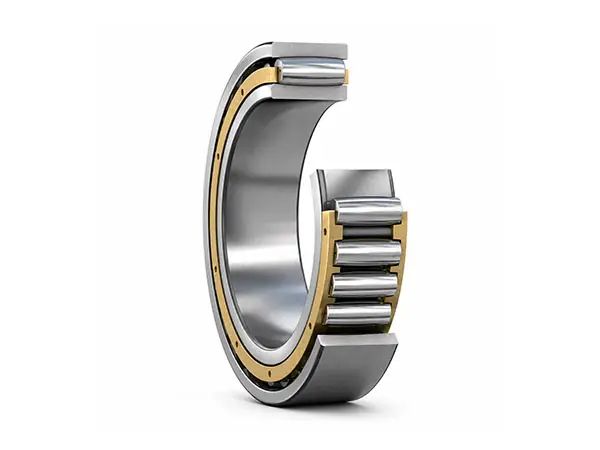
Start with the package before opening it. Counterfeiters often invest in box printing but miss small details that authorized manufacturers control.
Packaging and Labeling Red Flags
- Poor print quality, blurry logos, or inconsistent font weights.
- Spelling mistakes in brand names, country names, or technical terms.
- Missing or mismatched batch numbers, serial numbers, and barcodes.
- Labels that peel easily, use low-grade adhesive, or lack production date codes.
- Generic inner packaging that does not match the outer box or brand standards.
- No traceable lot number or QR code that links to a manufacturer database.
If a supplier cannot explain the lot traceability, treat the bearing as suspect. Authentic supply chains keep records from raw material to final pack. CHG Bearing emphasizes lot-level traceability because it allows buyers to verify origin and quality history before installation.
Bearing Markings and Engravings
Examine the bearing itself under good light and, if possible, low magnification. Original markings are usually applied with controlled depth, spacing, and placement. Counterfeit marks may look too deep, too shallow, uneven, or chemically etched in a way that damages the surface.
- Compare the logo shape, letter spacing, and trademark details with official references.
- Check that the bearing number, tolerance class, and internal clearance code match the order.
- Look for country of origin markings that conflict with the packaging or supplier documents.
- Inspect date codes for impossible combinations or reuse of old serial ranges.
- Confirm that the marking method suits the bearing type and manufacturer practice.
Surface Finish and Workmanship
Run a gloved finger across the raceway and rolling elements if the bearing is open. A genuine precision bearing has a controlled, smooth finish. A fake may feel rough, wavy, or inconsistently polished. Check the cage, rivets, seals, and snap rings for burrs, loose fit, poor crimping, or uneven plating.
Look for excessive grease leakage, damaged seals, or a strong solvent odor. These signs do not prove a bearing is fake, but they justify further inspection. In critical applications, any doubt should pause installation.
Dimensional and Functional Verification
Visual checks filter obvious problems. Measurement and functional tests reveal whether the bearing can perform like the original.
Measure Key Dimensions
Use calibrated instruments to check bore diameter, outside diameter, width, chamfer dimensions, and internal clearance where accessible. Compare results with the manufacturer catalog and the specified tolerance class. A counterfeit may be close enough to mount but outside the allowable range for precision operation.
- Measure at multiple points to detect ovality or taper.
- Check roller diameter variation and raceway roundness when possible.
- Verify cage clearance and roller guidance.
- Confirm that the bearing fits the shaft and housing without forcing or excessive play.
Rotation, Noise, and Torque Tests
Rotate the bearing by hand or on a controlled test stand. A quality bearing should turn smoothly with consistent resistance. Grinding, clicking, or uneven drag can indicate poor raceway geometry, contamination, or weak cage construction. Noise testing is useful, but it is not definitive. Some counterfeit bearings feel acceptable until they are loaded and run at speed.
Heat Treatment and Material Indicators
Steel quality and heat treatment separate durable bearings from early failures. A fake may use ordinary carbon steel, insufficient hardening, or inconsistent case depth. Field hardness testers can provide a quick indication, but they do not replace laboratory analysis. Discoloration, soft spots, or unusual machining chips can raise suspicion. If the application is safety-critical, schedule destructive or laboratory testing before accepting a questionable lot.
Supply Chain and Documentation Checks
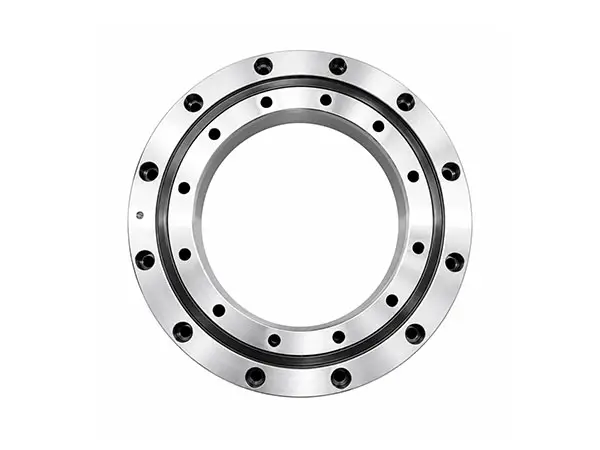
The fastest way to avoid counterfeits is to verify the supplier before the bearings arrive. Price, availability, and paperwork are powerful signals.
- An unusually low price for a premium brand is a warning, not a bargain.
- Large quantities available immediately from an unknown source may indicate diverted or copied stock.
- Missing certificates of origin, quality reports, or test certificates should stop the purchase.
- Packaging that changes between orders can indicate mixed or unauthorized supply.
- A supplier who avoids audits or cannot name the authorized distributor chain should be avoided.
Work with authorized distributors and manufacturers that provide clear documentation. CHG Bearing supports buyers with verifiable product records, inspection reports, and technical guidance so that bearing selection and sourcing remain transparent.
When to Escalate to Laboratory Testing
Some counterfeit bearings are designed to defeat field inspection. In those cases, laboratory testing is the reliable path. Common methods include chemical composition analysis, hardness profiling, metallography, and fatigue or load testing. These tests can reveal incorrect steel grade, inadequate heat treatment, harmful inclusions, or poor surface integrity.
Laboratory testing costs money and time, so reserve it for high-value, safety-critical, or high-volume purchases. If a bearing is suspected but not confirmed, quarantine the lot and prevent installation. Mixing suspect bearings with verified stock creates a traceability problem that can be difficult to undo.
A Fast Five-Minute Field Checklist
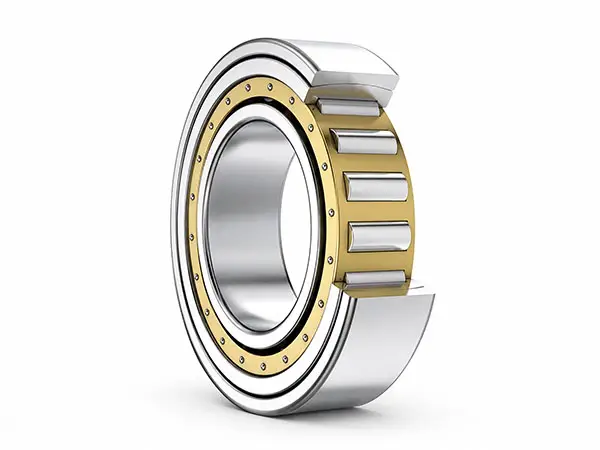
- Inspect the box for print quality, labels, batch codes, and seal integrity.
- Compare bearing markings with official brand references and order details.
- Check surface finish, cage condition, seals, and grease appearance.
- Measure critical dimensions and compare them with catalog tolerances.
- Rotate the bearing and listen for roughness, clicking, or uneven drag.
- Review supplier documents, price, lead time, and traceability records.
If any step raises doubt, stop. A bearing that costs less but fails early can cost far more in downtime, collateral damage, and lost production.
FAQ: Counterfeit Roller Bearing Detection
Can a counterfeit bearing pass a visual inspection?
Yes. Many fakes copy packaging and markings well enough to fool a quick look. Dimensional checks, material verification, and supplier documentation are needed for stronger confidence.
Are cheap roller bearings always counterfeit?
No. Legitimate overstock, discontinued lines, and economy brands can be affordable. The risk rises when the price is far below market, the source is unknown, or traceability is missing.
How can I verify a bearing supplier quickly?
Ask for authorized distributor status, lot traceability, certificates of origin, quality reports, and references. Cross-check the manufacturer official channel when possible.
What should I do if I find counterfeit bearings?
Quarantine the lot, document the evidence, notify the supplier, and replace the bearings from a verified source. If the bearings are already installed, inspect the machine for damage and schedule replacement before failure.
Final Thoughts
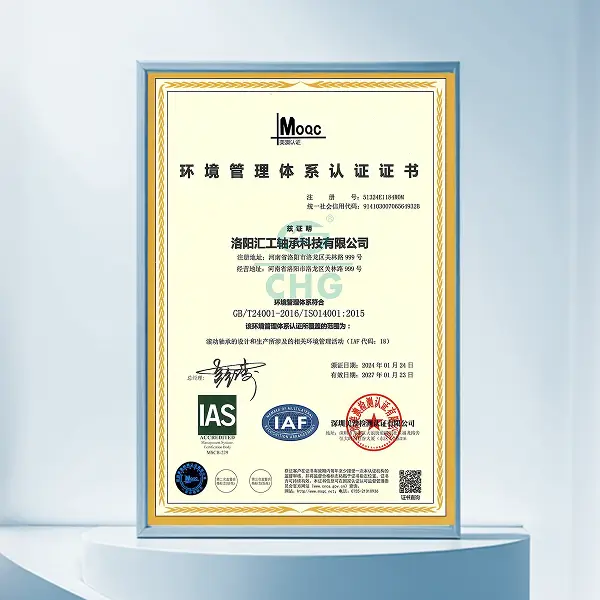
Spotting counterfeit roller bearings fast is about layers, not a single trick. Packaging, markings, dimensions, workmanship, documentation, and supplier behavior together tell a reliable story. When one layer is weak or inconsistent, slow down and verify. When several layers align, confidence increases. For buyers who need dependable roller bearings and transparent sourcing, CHG Bearing offers a practical path: clear specifications, traceable supply, and technical support from selection to installation.